

"Tech should be a tool, not a trap."
This is the phrase I put in front of a group of 8th graders when their teacher recently invited me to speak about technology and online safety. What happened in that classroom reminded me why these conversations are so important—not just for kids, but for parents too.

As parents, we’re often caught between two extremes: worrying too much about screen time, or shrugging and hoping our kids figure it out. The truth is, neither approach fully works. What our kids need is guidance that feels real, relatable, and rooted in values. That’s why this series exists — to give you language, questions, and tools that you can actually use at home.
Over the next few weeks, I’ll be sharing a blog series called Your Tech, Your Future. Each post will explore a different part of the conversation I had with those students—lessons about balance, safety, honesty, and values—that can help families like yours guide kids through an always-online world.
This first post lays the foundation: Why technology is shaping our kids differently than it shaped us, and what we can do about it as parents.
This blog series is designed for you — parents, grandparents, and guardians — to give you the same insight and encouragement I gave those students. Over the next few posts, we’ll look at:
- The opportunities and risks of being a digital native (this one)
- The real challenges kids face — privacy, permanence, patterns, and people
- Building values and habits that anchor kids for the future
Together, these posts will help you feel more confident as you guide your family through the digital world.
The First True Digital Natives
Researchers are learning that constant access to screens literally shapes how kids’ brains develop — their attention spans, their sleep cycles, even their social interactions. That’s not to say technology is “bad,” but it does mean kids are learning and living in ways very different from how we did. Understanding that gap is the first step to bridging it as parents. American Academy of Pediatrics.
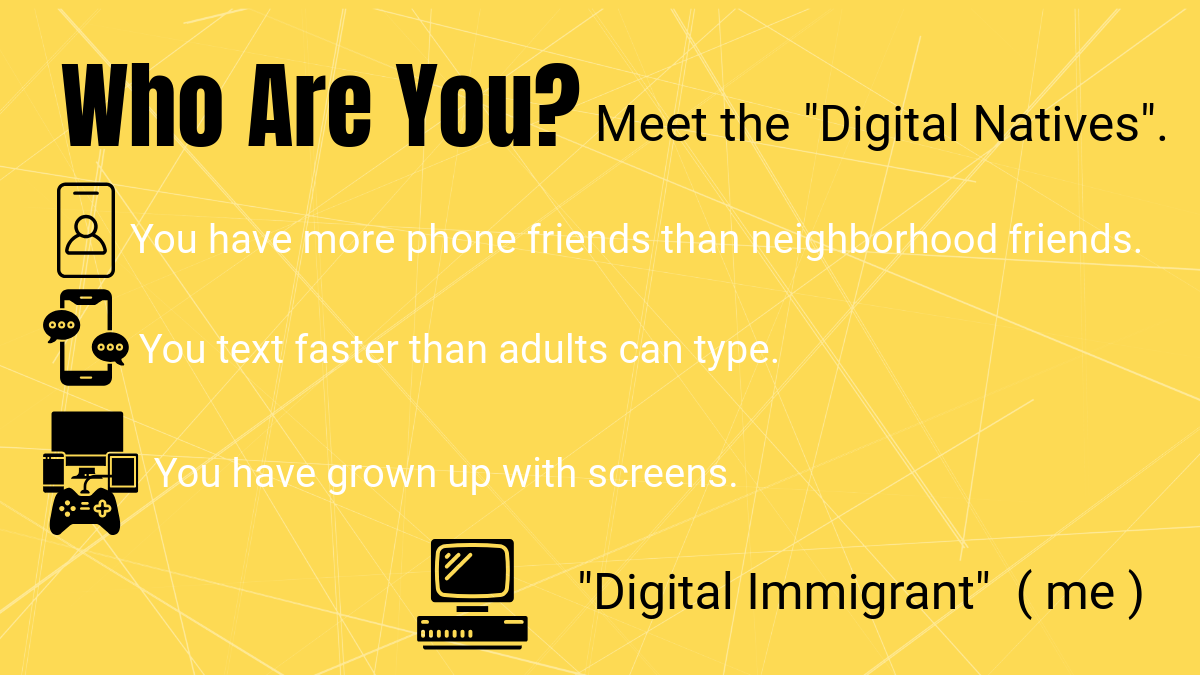
Think about your own childhood for a moment. No smartphones. No apps. Maybe one family computer in the living room. Now compare that to our kids:
- They have more friends on their phones than in their neighborhoods.
- They text faster than most adults can type.
- They can juggle a movie, TikTok, and a game — all at once.
- And many of them have already taught us how to use our own phones.
This isn’t just new. It’s historic. Our kids are the first true digital natives — and that means their brains, habits, and relationships are being shaped in ways we never experienced.
Did you know? According to Common Sense Media, the average teen spends over 8 hours a day on screens outside of schoolwork. Researchers also point out that screen habits in kids affect sleep, focus, mood, and even how the brain develops. That’s why middle school is such a critical time to start building healthy screen time habits.
Don’t underestimate how normal technology feels to your kids. What seems like “too much screen time” to you often feels like “just life” to them. That’s why setting balance is so critical.
The Digital Footprint Kids Are Creating Today
Here’s what surprised me when I asked those 8th graders what they wanted to be when they grow up:
- Not one said “influencer” or “YouTuber.”
- Their answers included landscaper, author, therapist, anesthesiologist.
It reminded me that even though kids are growing up in an always-online world, they still imagine futures rooted in real life. Technology is part of that picture, but it isn’t the whole picture — and that’s where digital parenting comes in.
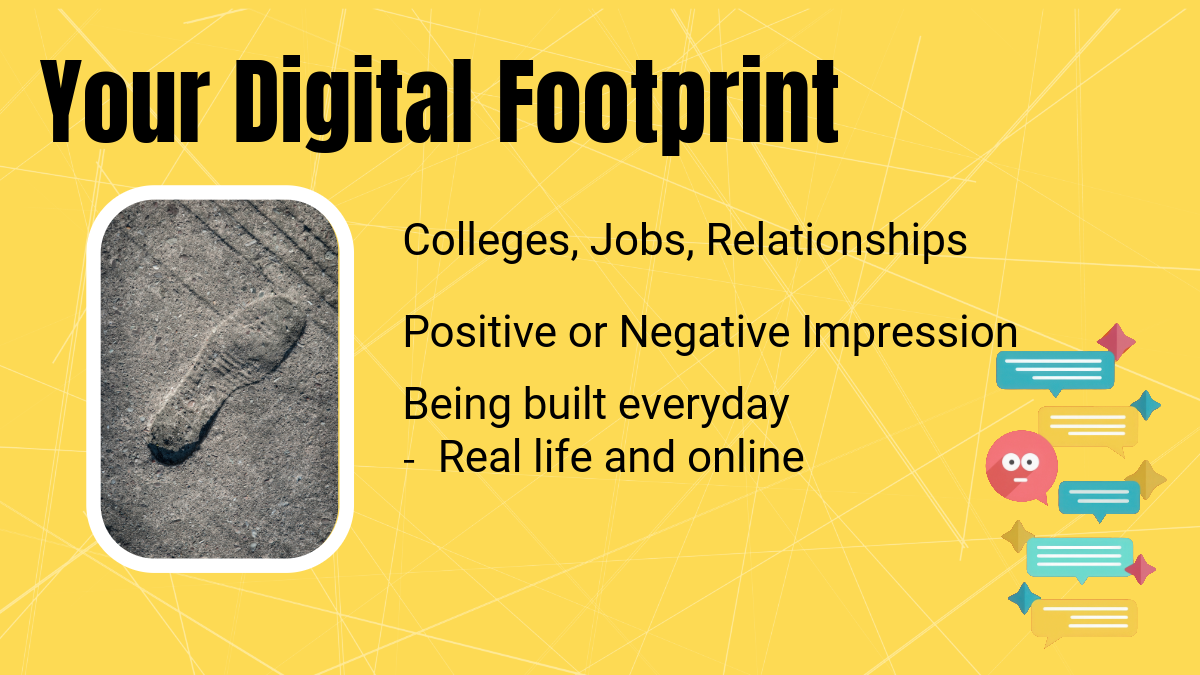
Colleges, employers, and even future friends will one day see their digital footprint. A silly post at 13 can still show up at 18. A toxic online pattern can impact confidence, health, and opportunity.
Our job isn’t to pressure kids into thinking about careers early, but to help them realize their future selves will be affected by the digital choices they make today.
Talk to your child about the jobs they’re curious about — even the “silly” ones. When kids say “gamer” or “YouTuber,” what they’re really pointing to is creativity, community, and entrepreneurship. You don’t have to dismiss their ideas, but you can guide them toward the values and skills that will make any job — even one that doesn’t exist yet — possible.
Opportunities vs. Risks: Why Online Safety for Kids Matters
I know of a student who started a small YouTube channel just for fun. A few years later, that hobby turned into a real skillset in video editing — something colleges and employers actually value. On the flip side, I’ve also seen students lose opportunities because of something careless they posted at 13. One choice opened doors; the other closed them.
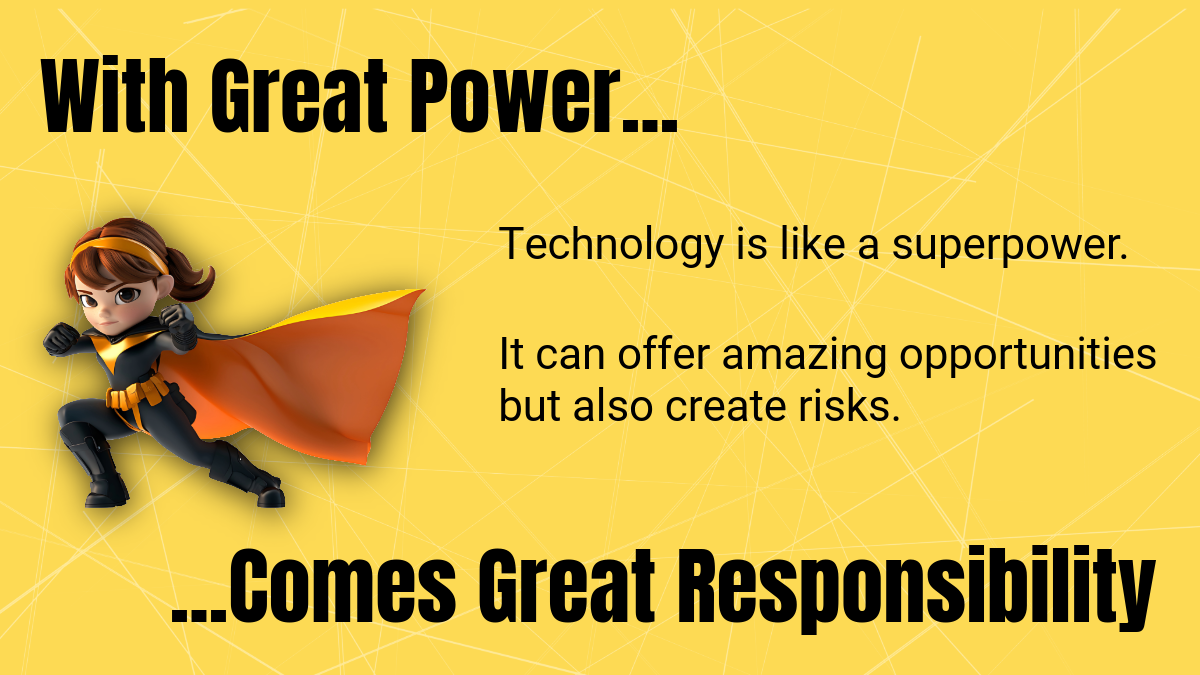
I told the students that technology is like a superpower. And like every superhero story says:
“With great power comes great responsibility.”
That’s true for kids, and it’s true for us as parents too.
Opportunities:Kids can learn new skills, discover creative outlets, connect with mentors, and even explore career paths online.
Risks: Kids can also stumble into bullying, harmful communities, unhealthy patterns, or people who don’t have good intentions.
Both realities exist. The difference is whether we’re paying attention.
For parents, this is where digital conversations often get tricky. You don’t want to scare your child into silence, but you also don’t want them blind to the risks. A simple way forward is to use questions instead of lectures. Ask:
- “What would your grandma think if she read that post?”
- “If you Googled yourself in 5 years, would you be proud of what shows up?”
- “What do you notice about the kinds of videos or posts your feed recommends?”
Don’t just block or ban technology. Teach your kids how to see both the good and the bad, and how to make choices that keep doors open for their future.
Your Role in Digital Parenting: Guiding Kids with Confidence
Remember, you don’t need to have all the answers or be a cybersecurity expert. What matters most is showing up, listening, and guiding your kids with love and consistency. That’s the heart of online safety for kids and the foundation of raising tech-safe families.
Talk, don’t just restrict. Conversations build trust. Ask your kids what they’re seeing online, who they follow, and how they feel about it.
Model balance. If we’re always glued to our own phones, we’re teaching them it’s normal. Show what it looks like to unplug
Anchor in values. Apps change. Trends fade. But kindness, honesty, and responsibility never go out of style.
This doesn’t mean you need to monitor every click or hover over your child’s shoulder. In fact, doing that usually backfires and creates secrecy. Instead, think of yourself as a coach. Coaches don’t play the game for the team — but they do set boundaries, encourage good habits, and step in when players are heading off track. That’s exactly the role you can take in your child’s digital life.
Your kids won’t always remember every internet rule, but they will remember the values you model. If they see you practicing honesty online, unplugging for balance, or speaking kindly even in frustration, that becomes the baseline they return to. Technology will change, but values are the compass that keeps kids steady in any digital storm.
What’s Next in This Series
My goal with this series isn’t to give you a checklist of rules, but to equip you with confidence. Each post will dig deeper into what kids are really facing online and how you can respond in ways that connect, not just correct. Stick with me — the best conversations are still ahead.
In the next post, we’ll take a closer look at the real challenges kids face online:
- Privacy (what they share)
- Permanence (the internet never forgets)
- Patterns (algorithms shaping their feeds)
- People (the hidden risks of meeting others online)
These four areas are where most kids get stuck — and where parents can make the biggest difference.
Subscribe to Family Home Tech so you don’t miss it — and share this series with a parent friend who could use encouragement.
Just like when building a strong house, you have to start with a solid foundation. And you can start building that now by implementing some of the tips in this post and exploring other helpful articles available right here on the Family Home Tech website.
Your FREE Digital Foundation Starts Here!
You can begin setting that foundation immediately with my FREE TECHSAFE Family Digital Defense Kit. I've put this resource together to give you immediate peace of mind and practical tools, absolutely free, because I want every family to have this essential line of defense.

This essential kit includes:
Cybercrime Emergency Plan: Know exactly what to do if a digital threat strikes.
Password Power-up Checklist: Simple steps to build stronger online defenses.
Digital Memory Protection Plan: Your guide to backing up photos, videos, and important files.
Build the Whole House: The Full TECHSAFE Family Toolkit
The Digital Defense Kit is a powerful start—your solid foundation. But if you're ready for a complete, comprehensive roadmap to mastering your family's entire digital home, the full TECHSAFE Family Toolkit goes much deeper.
This isn't just about general tech tips. It's packed with:
- Prompts for Talking to Your Children: My wife, Lisa, as an elementary school teacher for over 20 years, brings invaluable insights into how children learn and communicate. Her experience, combined with mine, translates into practical ways to talk about digital dangers, build trust, and even help your kids cope with and get ahead of potential online threats.
- Technical How-To's from Real-World Experience: With my background as an IT expert, including years as a Director of IT in a school system, I've categorized the most common support calls and digital concerns I've witnessed. This means the toolkit gives you the precise, technical "how-to" advice you need, from securing devices to managing networks, all simplified for the everyday family.
This full toolkit truly gives you the power to transform your family's relationship with technology, making it a source of confidence and joy.

Stay Safe & Savvy with Family Home Tech!
Keep learning and stay connected. You can always find more helpful articles and tips on my blog and in our monthly newsletter, The Family Home Tech Bulletin.
Thanks for taking this important step for your family. You've got this!
Stay Safe & Savvy